
How to Maximize the Lifespan of Your Solar System
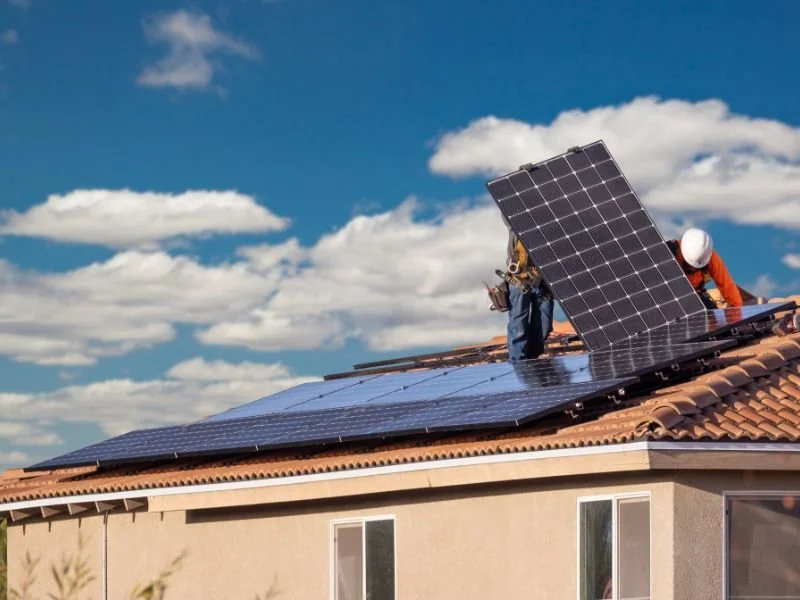
Investing in solar energy is a long-term commitment, but to get the most out of your system, proper maintenance is key. While solar panels are designed to be durable and low-maintenance, they still require periodic upkeep to maintain efficiency and longevity. Homeowners in Redding and Shasta County, CA, where intense sunlight, dust, and occasional storms can impact panel performance, should take extra precautions to ensure their system operates at peak efficiency. This guide covers the best maintenance tips for solar panel longevity, how often to clean your panels, solar panel degradation rates, and how to recognize when repairs or replacements are needed.
Best Maintenance Tips for Solar Panel Longevity
Solar panels can last 25 to 30 years with minimal maintenance, but following a few best practices will help maximize their lifespan and keep them operating efficiently. Proper care ensures that your panels continue generating the highest possible energy output while minimizing long-term costs.
Essential Solar Maintenance Tips:
Keep panels clean – Dust, pollen, and bird droppings can reduce efficiency, so regular cleaning is essential.
Inspect for shading issues – Trees and nearby structures may cast shadows that lower production over time.
Check for physical damage – Look for cracks, scratches, or discoloration that could indicate panel deterioration.
Monitor system performance – Use your solar monitoring software to track daily energy output and detect irregularities.
Maintain inverter health – The inverter is the brain of your solar system; ensure it's functioning properly to avoid energy losses.
Schedule professional inspections – Have a solar expert inspect your system every 1-2 years to ensure all components are in good condition.
By following these simple steps, homeowners in Shasta County can ensure their solar system remains efficient and functional for decades.
How Often Should Solar Panels Be Cleaned?
Regular cleaning is one of the easiest ways to prevent energy loss and maximize solar efficiency. In dusty regions like Redding, CA, solar panels can accumulate dirt and debris quickly, reducing output. While rain helps wash away some dust, the dry summer months often require manual solar panel cleaning.
For optimal performance, solar panels should be cleaned at least twice a year—once in the spring to remove winter debris and again in late summer when dust levels peak. If you notice a drop in energy production in your monitoring system, it may be time for an additional cleaning.
Best Practices for Cleaning Solar Panels:
Use a soft brush or sponge with mild soap and water—avoid harsh chemicals.
Clean in the morning or evening to prevent rapid evaporation and streaking.
Use a hose with gentle pressure to rinse away dust and debris.
Avoid abrasive materials that could scratch the panel surface and reduce efficiency.
For larger rooftop systems or hard-to-reach areas, hiring a professional solar panel cleaning service is a safer and more effective option.
Do Solar Panels Degrade Over Time?
All solar panels degrade gradually, meaning they produce slightly less energy each year. This degradation rate depends on panel quality, climate, and maintenance. On average, solar panels degrade at a rate of 0.5% to 0.8% per year. This means that after 25 years, a well-maintained system will still operate at 80-90% of its original capacity. However, extreme weather, poor installation, and lack of maintenance can accelerate this decline.
Factors That Affect Solar Panel Degradation:
UV exposure – Prolonged sun exposure can break down panel materials over time.
Thermal cycling – Temperature fluctuations cause expansion and contraction, leading to wear.
Moisture & corrosion – Humidity and water infiltration can degrade panel performance.
Physical damage – Hail, falling branches, or debris can cause cracks or microfractures.
To slow degradation, homeowners should invest in high-quality panels, ensure proper ventilation, and follow a consistent maintenance schedule.
Signs Your Solar Panels Need Repairs or Replacement
While solar panels are built to last, certain warning signs indicate that repairs or replacements may be necessary. Identifying these issues early can prevent bigger problems and ensure continued energy savings.
When to Call for Solar Panel Repairs:
Sudden drop in energy output – If your panels are producing significantly less power, there may be a wiring or inverter issue.
Visible cracks or discoloration – Physical damage can reduce efficiency and allow moisture to seep in.
Frequent inverter errors – Inverters typically last 10-15 years; if yours is failing, energy conversion will be affected.
Loose or exposed wiring – Electrical components should always be inspected by a professional.
Hot spots on panels – Uneven heating can indicate internal defects or cell failure.
If your system is older than 25 years and showing multiple signs of degradation, consider upgrading to newer, high-efficiency solar panels that offer better performance and improved technology.
Solar Panel Warranties: What Homeowners Should Know
Solar panel warranties protect your investment by covering defects, performance declines, and certain repair costs. Understanding your solar warranty helps ensure you're getting the most value out of your system.
Types of Solar Warranties:
Performance Warranty: Guarantees that your panels will produce energy at a certain efficiency level (typically 80-90% after 25 years).
Product Warranty: Covers manufacturing defects, usually lasting 10-25 years depending on the brand.
Inverter Warranty: Most inverters are covered for 10-15 years, as they tend to degrade faster than panels.
Installation Warranty: Some solar companies provide a 5-10 year workmanship warranty to cover installation-related issues.
Leading solar brands like SunPower, LG, and REC offer extended warranties, making them ideal choices for homeowners looking for long-term reliability. If your warranty is about to expire or your panels are failing, it may be time to explore an upgrade or replacement.
Final Thoughts: Keeping Your Solar System in Peak Condition
Solar panels are a long-term investment, and with proper maintenance, they can provide decades of clean, renewable energy. By following the best solar maintenance practices, cleaning panels regularly, and monitoring for performance issues, homeowners in Redding and Shasta County can maximize energy production and extend the lifespan of their systems.
If you're unsure about your solar system’s performance, contact WSC Solar for a professional inspection and expert advice on keeping your panels running at peak efficiency.